Mango Twig Tip Dieback
Back to main pest and disease page
Mango Twig Tip Dieback (MTTD)
Mango Twig Tip Dieback (MTTD), linked to Botryosphaeriaceae fungi and plant stress (drought being the most common), remains a significant concern for growers in the Greater Darwin production region. The disease affects young shoots and branches, leading to canopy thinning, reduced flowering and lower yields. With symptoms recurring annually at the start of the dry season, the need for robust management tools is clear. At present, MTTD outbreaks have only been reported in the Greater Darwin Mango production Region.
Causal agents
Opportunistic, endemic (non-exotic), stem end rot fungi in the Botryosphaeriaceae family, particularly Lasiodiplodia spp. and Neofusicoccum spp., have been identified as causal agents of MTTD. These fungi are well-known, latent pathogens that can remain dormant within host tissues and become pathogenic under stress conditions. Spores are produced on leaves, dead twigs and branches and dispersed by wind and rain splash.
What to look for
- Dark, unilateral lesions developing along the mid-section of twigs, commonly associated with necrotic or dead leaves (Figure 1)
- Leaf wilting and premature leaf drop.
- Reduction of vegetative flushing and canopy renewal.
- Progressive tree decline characterised by branch death, and reduced productivity.
NTDAF has developed a new Mango Twig Tip Dieback (MTTD) identification fact sheet to help growers distinguish MTTD from other forms of dieback and identify the issue in their orchards (Sept 2026):
MTTD Identification Fact Sheet
Progress on the Mango Twig Tip Dieback (MTTD) Project
Collaborative work to better understand and manage MTTD continues to advance across the Northern Territory, with the NT Government, Australian Mango Industry Association, NT Mango Industry Association and NT Farmers Association jointly driving this important multi‑year project. As part of the ongoing project, researchers and industry partners are progressing work in several key areas, including:
- Regional surveillance and pathogen identification to determine distribution and monitor disease behaviour.
- Spore monitoring (Figure 2) and environmental analysis to better understand seasonal triggers and disease cycle of the Botryosphaeriaceae causing MTTD in the NT.
- Cultivar susceptibility assessments to identify potential varietal differences in resilience to Lasiodiplodia complex and Neofusicoccum spp.
- Stress physiology research exploring how drought and other stressors influence infection.
- Field treatment trials, including pruning, irrigation-scheduling, testing systemic fungicides and phosphonate-based approaches.
Further field trials through the dry and wet seasons will continue to refine integrated strategies aimed at slowing disease progression and minimising productivity loss.
Management Strategies
Growers are encouraged to use integrated management practices to reduce the impact of MTTD. These practices include:
- Early detection and monitoring of symptoms in orchards
- Pruning infected twigs and branches and dispose by burning, deep burial or removal from orchard
- Reducing stress on trees through balanced irrigation, nutrition and canopy management
- Maintaining orchard hygiene to prevent the spread of pathogens (ex: equipment sanitation)
- Applying fungicides where recommended
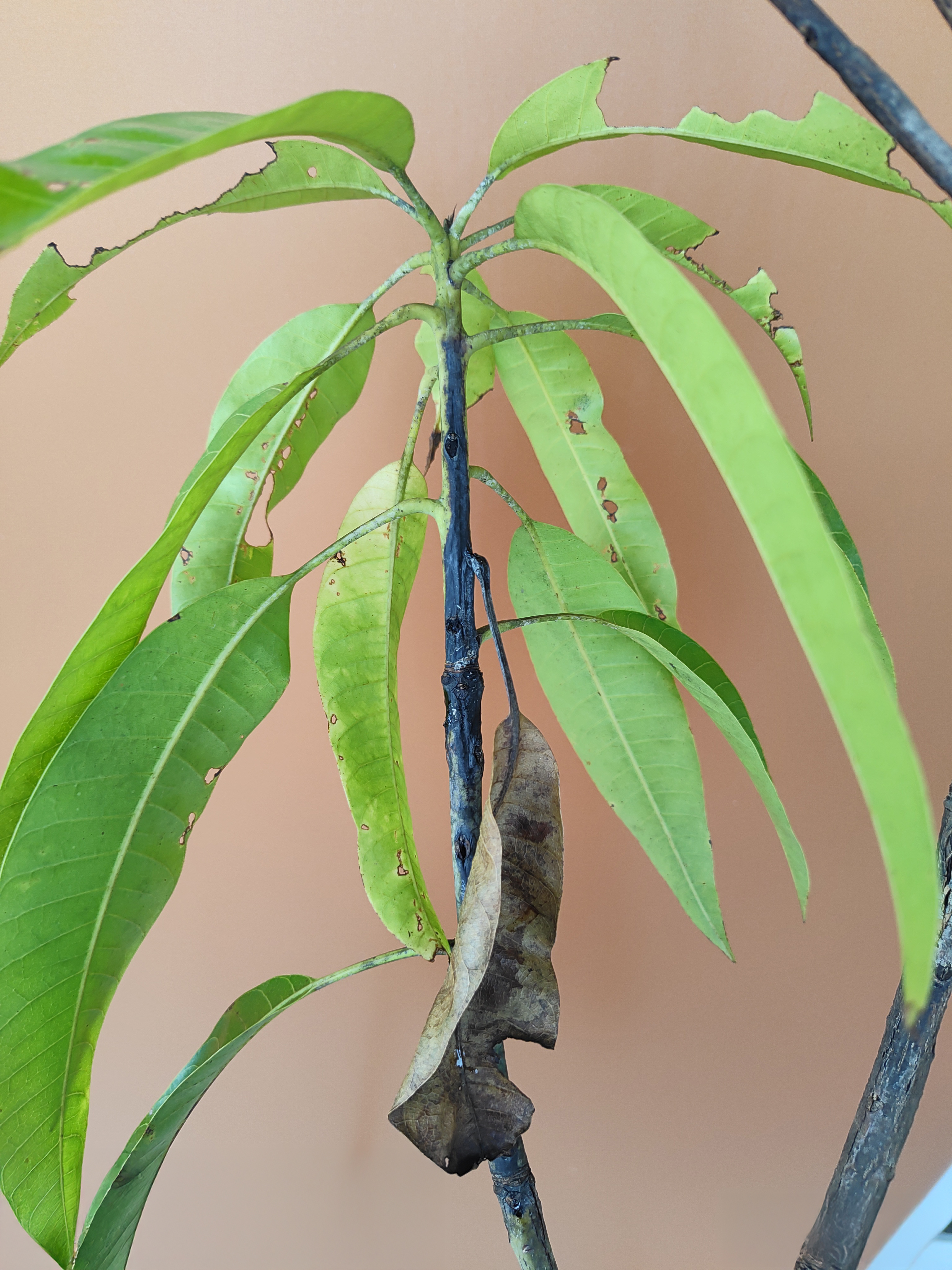
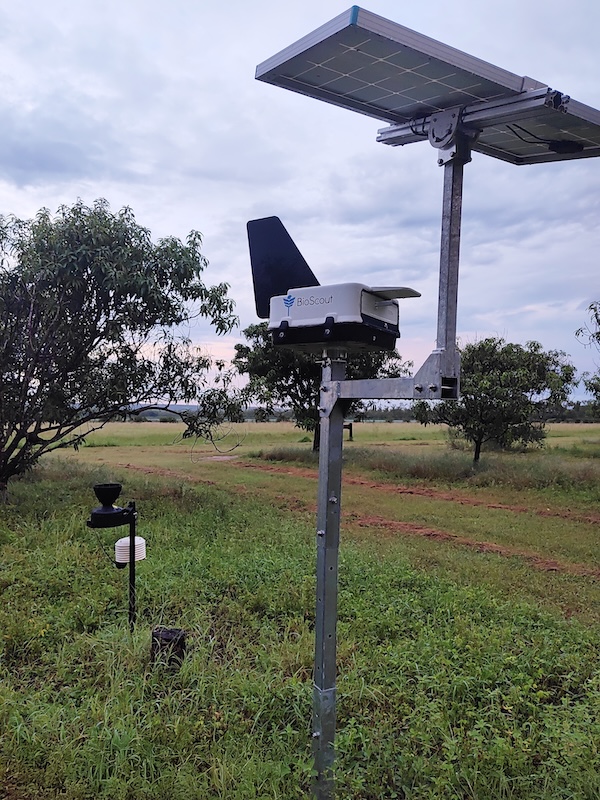
Figure 1. MTTD Symptoms Figure 2. Spore trapping
(Photos credit: NTDAF)
A fact sheet developed by NTDAF is available to support growers with practical information on identifying symptoms, understanding causal agents, and implementing management options. Download the Mango Twig Tip Dieback fact sheet PDF.
More information can also be found on the NT Department of Agriculture and Fisheries' website.